A German Mittelstand Company Opens Its First Brazilian Factory — and Shows How It’s Done
From Export to Establishment
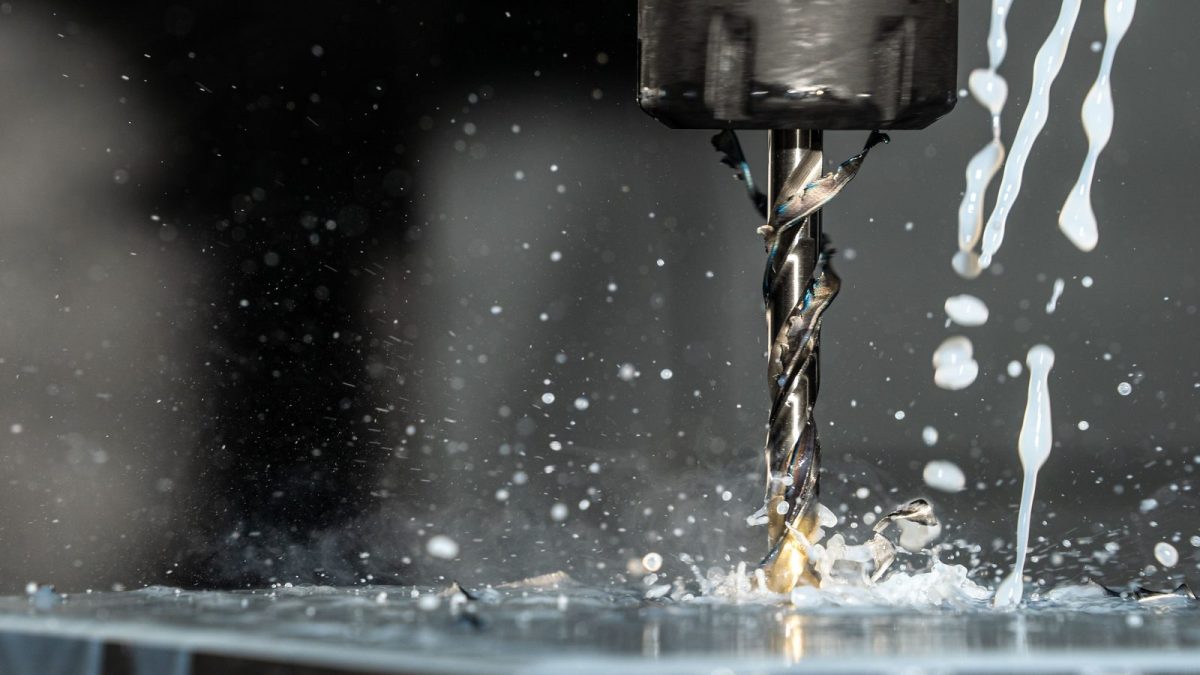
German axle-component specialist Schomäcker has inaugurated its first factory in Brazil: a R$205 million Industry 4.0 plant in Joinville, Santa Catarina. The facility introduces technology that cuts production time from three hours to three minutes per piece, with jobs already created and further expansion on the radar. A family-owned German manufacturer concluded that serving Brazil from Germany was no longer enough — and built local capacity instead.
The Most Copyable Story in This Series
Multibillion commitments from Stellantis, Volkswagen or Iberdrola make headlines, but they are hard for most owners to identify with. Schomäcker is different: a mid-sized, family-owned industrial firm — classic Mittelstand — making exactly the decision that thousands of European SMEs currently face. Its R$205 million plant is not an unreachable benchmark; it is a scaled example of a playbook that works from a few million euros upward.
Joinville Was Not an Accident
Santa Catarina hosts one of Brazil’s densest clusters of metalworking and industrial suppliers, with a workforce shaped by generations of German-Brazilian industrial culture — many plants in the region operate to German standards as a matter of local habit. Choosing the right regional ecosystem gave Schomäcker suppliers, technical talent and customers within driving distance from day one. Every European industrial sector has its Brazilian cluster; finding yours is half the site-selection problem solved.
Why Local Production Beat Exporting — Even Before the Tariff Cuts
Schomäcker’s move predates the full effect of EU-Mercosur tariff elimination, which makes it more instructive, not less. Freight costs and lead times on heavy components, currency exposure, the service expectations of Brazilian fleet customers, and access to Brazil’s truck-fleet renewal programs all pointed to local production on their own. The agreement now adds a second layer: cheaper imported inputs from the German parent, simplified visas for German technicians, and a trusted-employer track for work permits. The case that was already good is becoming excellent.
The Owner’s Playbook: The Mittelstand Sequence
The transferable sequence runs: validate demand through several years of exports; choose the industrial cluster matching your sector; size a focused first plant rather than a flagship; and structure the entity correctly before breaking ground — a limitada with 100% foreign ownership, CNPJ, Central Bank capital registration, a tax regime chosen for manufacturing economics, and payroll built on Brazilian labor rules. The companies that get the foundation right reach production on schedule; the ones that improvise discover Brazilian bureaucracy the expensive way.
The Question Schomäcker Answered
Every exporting owner eventually faces the same question this German family business faced: keep shipping across the Atlantic while local competitors court your customers, or commit to the market that is already buying from you. Schomäcker’s answer is now running at three minutes per piece in Joinville.
Expanding Your Business to Brazil? This Is the Moment to Act

If this story shows anything, it is that the window to enter Brazil is open now — and the business owners who structure their local operations first will capture the most. But between the decision and the first invoice lies a path that punishes improvisation: choosing between a limitada and other corporate forms, registering foreign capital with the Central Bank, electing the right tax regime, setting up compliant payroll and accounting.
That is exactly what Expertisa does. Based in Brazil and founded by French, Belgian and Brazilian entrepreneurs, Expertisa specializes in opening companies in Brazil, tax consulting and other BPO (Business Process Outsourcing) services — supporting foreign owners from the first structuring decision to day-to-day operations. With offices in Rio de Janeiro and São Paulo, and as an independent member of GGI — one of the top ten international networks of accounting, consulting and legal services — Expertisa supports European companies and investors who wish to establish themselves in Brazil within the new scenario opened by the EU-Mercosur Agreement. A first conversation typically maps your entry structure, tax regime and timeline within days. More information at https://expertisa.com.br/.