Europe and South America Are Now One Market: What the Numbers Say About Expanding to Brazil
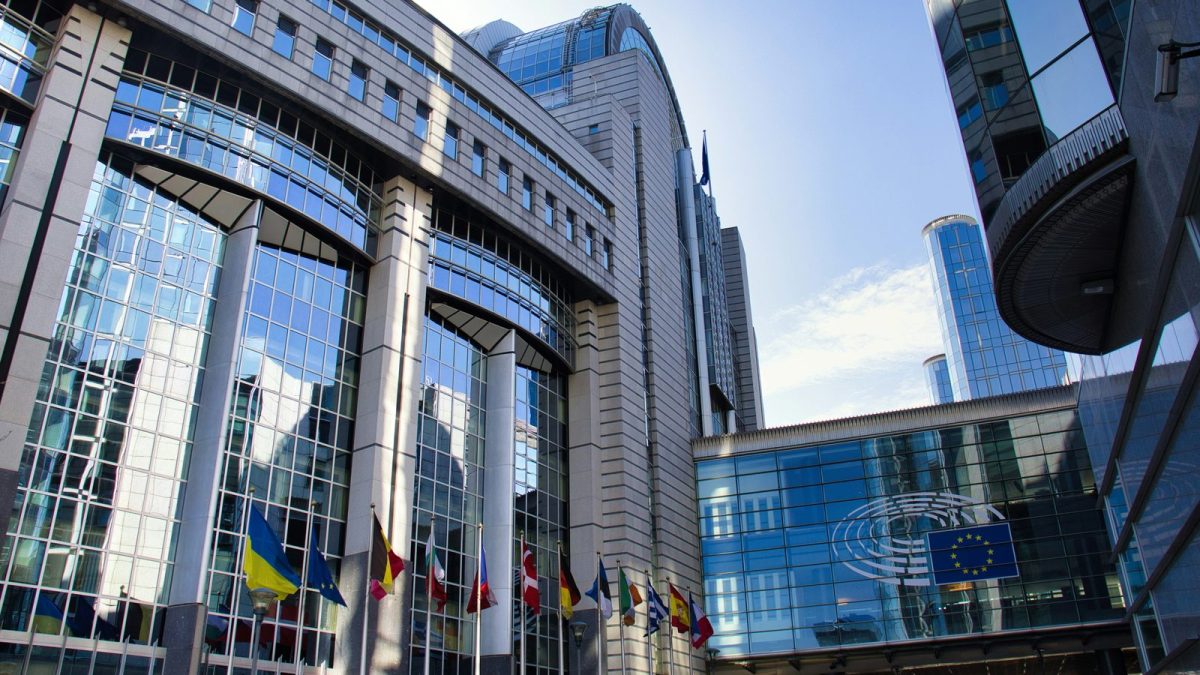
A €111 Billion Relationship Just Changed Gear
For most business owners in Europe, Brazil has long sat in the category of “interesting, but complicated.” That category quietly ceased to exist on May 1, 2026, when the EU-Mercosur Agreement entered provisional force after a quarter century of negotiation. Bilateral trade between the two blocs reached €111 billion in 2024 — €55.2 billion in EU exports against €56 billion in imports — and more than 80% of that flow runs through a single country: Brazil.
This is not a framework agreement waiting for ratification ceremonies. The trade provisions — tariffs, customs, public procurement — fall under the EU’s exclusive competence and are already applicable. The largest free trade area ever created between Europe and South America is operating now.
The Numbers Every Owner Should Know
The European Commission projects that the agreement will add €77.6 billion to the EU’s GDP by 2040, with EU exports to Mercosur growing 39%. More importantly for individual businesses, the tariff eliminations land precisely on Europe’s strongest export categories: machinery that faced 14–20% import duties, chemicals at 18%, pharmaceuticals at 14%, automotive components at up to 35%. Brussels estimates roughly €4 billion per year in tariff savings for EU exporters.
There is a second prize that gets less attention: Brazil’s federal public procurement market — over €8 billion a year in government purchasing that was effectively closed to foreign bidders — is opening to European companies on equal terms for the first time.

Growth That Happened Without an Agreement
Perhaps the most persuasive data point is what happened before any deal existed. Between 2014 and 2024, EU-Mercosur trade grew 36% — imports up 50%, exports up 25% — on pure market momentum, despite tariffs, despite bureaucracy, despite distance. Demand for European quality in Brazil did not wait for politicians. The agreement now removes the friction from growth that was already happening.
Selling to Brazil vs. Operating in Brazil
Here is the strategic distinction that will separate winners from spectators over the next five years. Exporting from Europe captures the tariff benefit. Operating in Brazil captures the market. A local entity can bid for public contracts, provide installation and maintenance services, price in reais, hold inventory close to customers, hire local sales talent and qualify for financing and incentive programs that are unavailable to foreign sellers. In sector after sector, the import-only players compete on price while the locally established players compete on relationship — and keep the margin.
The Owner’s Playbook: What Entering Brazil Actually Involves
For a European mid-sized company, the entry mechanics are more standardized than most owners expect. The typical vehicle is the sociedade limitada — Brazil’s flexible private company form — which permits 100% foreign ownership with no local partner requirement. The sequence: incorporate the entity and obtain the CNPJ (the corporate tax ID), register the foreign capital with the Central Bank, elect a tax regime suited to your revenue profile, and set up payroll and accounting under Brazilian rules. Done correctly, a company can be operational in weeks. Done incorrectly, each error surfaces months later as fines, blocked remittances or tax inefficiency. The difference is almost always the quality of local advisory support.
Why Timing Beats Perfection
Tariff elimination phases in over several years, product by product. That phase-in is the opportunity: companies that establish now — validating demand, securing distribution, building the local entity — will be positioned at full strength exactly when their cost advantage peaks. In international expansion, the first-mover premium is rarely announced this clearly, this far in advance.
Expanding Your Business to Brazil? This Is the Moment to Act

If this story shows anything, it is that the window to enter Brazil is open now — and the business owners who structure their local operations first will capture the most. But between the decision and the first invoice lies a path that punishes improvisation: choosing between a limitada and other corporate forms, registering foreign capital with the Central Bank, electing the right tax regime, setting up compliant payroll and accounting.
That is exactly what Expertisa does. Based in Brazil and founded by French, Belgian and Brazilian entrepreneurs, Expertisa specializes in opening companies in Brazil, tax consulting and other BPO (Business Process Outsourcing) services — supporting foreign owners from the first structuring decision to day-to-day operations. With offices in Rio de Janeiro and São Paulo, and as an independent member of GGI — one of the top ten international networks of accounting, consulting and legal services — Expertisa supports European companies and investors who wish to establish themselves in Brazil within the new scenario opened by the EU-Mercosur Agreement. A first conversation typically maps your entry structure, tax regime and timeline within days. More information at https://expertisa.com.br/.