How to prioritize bills and manage payment deadlines effectively
When bills pile up, paying in the right order protects your credit and your peace. A clear plan beats paying blind.
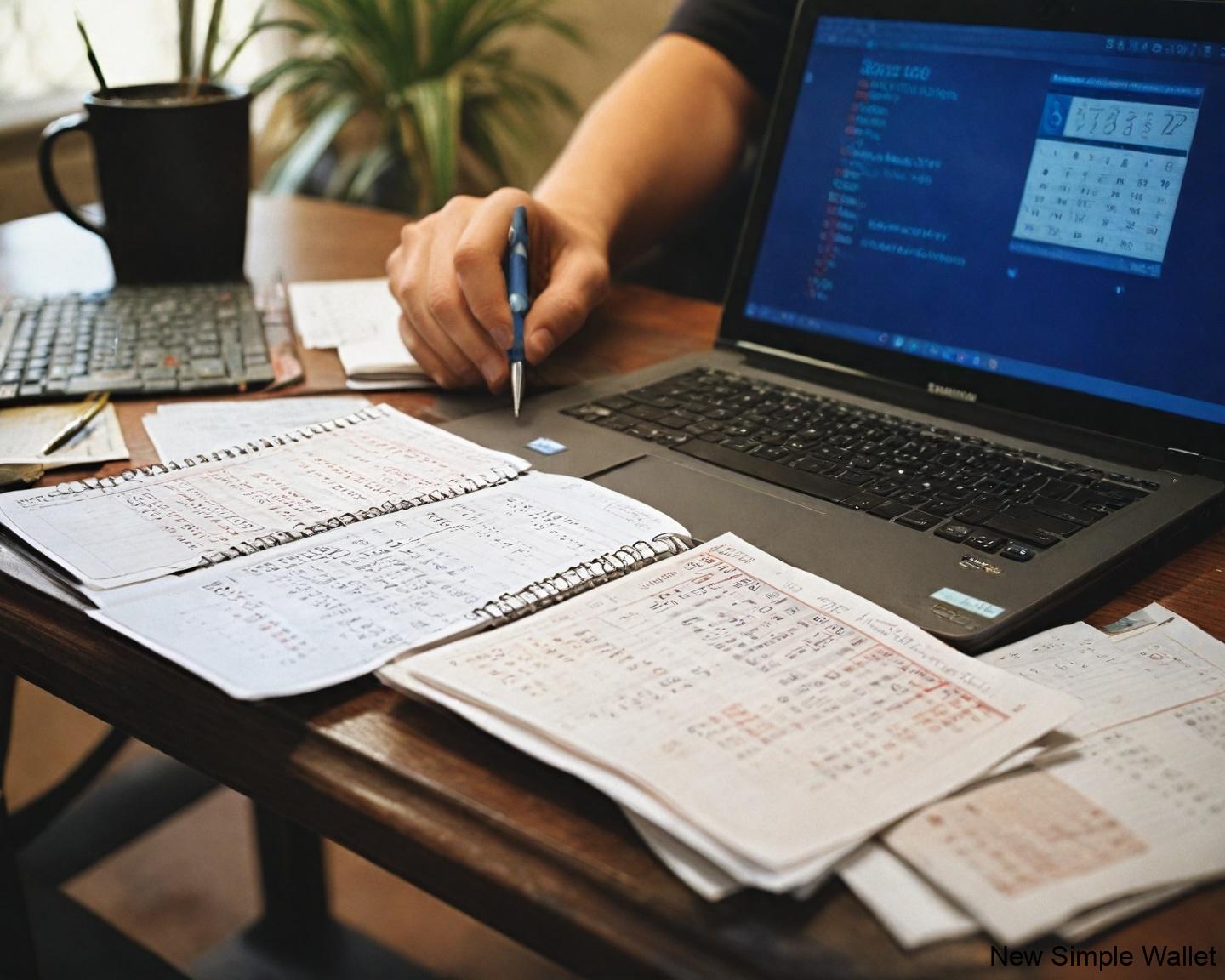
In today’s fast-paced world, managing finances can often seem like a daunting task. With numerous bills arriving each month, varying from utilities to rent, credit card payments, and more, it’s crucial to have a strategic approach to avoid financial pitfalls. Prioritizing bills and managing payment deadlines effectively not only helps in maintaining a good credit score but also ensures peace of mind by avoiding unnecessary stress. Having a clear plan can help navigate this financial maze and achieve a level of control over your personal finances.
For many, the challenge lies in understanding which expenses to prioritize, how to allocate funds effectively, and ensuring deadlines are met without fail. It isn’t just about paying bills on time, but also about handling unexpected expenses and adjusting when financial situations change abruptly. In this article, we will delve into the intricacies of bill prioritization, explore useful techniques for managing payments, and provide practical strategies to build and sustain a robust financial framework that can be relied upon during both stable and uncertain times.
Understanding the Importance of Prioritizing Bills
Prioritizing bills is essential for maintaining a healthy financial life. When bills are prioritized, it ensures that the most important expenses are paid first, reducing the risk of losing essential services or assets. Failure to prioritize can lead to service interruptions, penalties, and even negative impacts on your credit score.
One of the main reasons to prioritize bills is to avoid the consequences of late payments. Services like utilities, mortgages, and insurance are crucial, and any disruption can severely affect daily life. For instance, not paying your electricity bill on time might result in disconnection, affecting your work-from-home setup or your family’s daily needs. On the other hand, consistent late payments can lead to increased interest rates on credit products, making future borrowing more expensive.
Another important aspect of prioritizing bills is the ability to manage stress and mental health. Financial stress is one of the top contributors to anxiety and can affect overall well-being. By setting clear priorities, one can reduce uncertainty and focus on meeting essential living needs first. This approach not only secures immediate necessities but also contributes to long-term financial stability.
Identifying Essential vs. Non-Essential Expenses
To effectively prioritize bills, it is crucial to distinguish between essential and non-essential expenses. Essential expenses are those necessary for survival and maintaining a basic quality of life, such as housing, food, utilities, and healthcare. These are the bills that should be prioritized to ensure that fundamental needs are met.
Non-essential expenses, on the other hand, are those that enhance lifestyle but are not crucial for daily living. These include dining out, entertainment, and luxury items. While these expenses can improve quality of life, they should be prioritized only after essential bills are accounted for. By clearly categorizing expenses, you can make informed decisions and avoid overspending on non-essentials at the expense of crucial bills.
A good strategy for identifying these expenses is to analyze your monthly spending habits. List out all your monthly costs and categorize them into essential and non-essential groups. You might realize that some expenditures you assumed were necessary are actually expendable during tight financial conditions. By cutting back on non-essentials, you can direct more resources toward critical areas, ensuring a robust financial foundation.
Creating a Monthly Budget to Track Income and Expenses
A monthly budget is a financial plan that outlines expected income and expenses over a month. It’s a vital tool for tracking finances and ensuring bills are paid on time. Without a budget, it’s easy to lose track of spending, leading to missed payments and financial distress.
To create an effective budget, start by listing all sources of income. This could include your salary, dividends, freelance earnings, or any side hustle revenue. Next, list all known monthly expenses, from rent and groceries to transportation and utility bills. Categorizing your expenses will help you understand where most of your income is going.
Once you have a list of income and expenses, subtract the expenses from the income to determine your budget surplus or deficit. If there’s a surplus, consider saving or investing the extra funds. If there’s a deficit, reevaluate your spending and identify areas for reduction, particularly among non-essential expenses. A well-maintained budget can act as a financial roadmap, guiding you towards achieving your financial goals.
Setting Up a Bill Payment Calendar for Deadlines
A bill payment calendar is a visual representation of all your bill deadlines. It serves as a handy reminder system, helping you keep track of when each bill is due. This organizational tool is particularly useful in avoiding late fees and maintaining a consistent payment schedule.
To set up a bill payment calendar, gather all your monthly bills and note their due dates. Using either a digital platform, like a calendar app, or a physical planner, mark these dates. Break down the calendar into weeks and include the amount for each bill and the payment method used. Consider setting reminders a few days before each due date to ensure timely payments.
Here’s a simple example of how a bill payment calendar can be organized:
| Bill Name | Due Date | Amount | Payment Method |
|---|---|---|---|
| Rent/Mortgage | 1st | $1,200 | Auto-debit |
| Electricity | 10th | $150 | Online Payment |
| Phone | 15th | $80 | Credit Card |
| Internet | 20th | $60 | Auto-debit |
| Credit Card Payments | 25th | $300 | Online Payment |
| Water/Trash | Last day | $50 | Manual Check |
Ensure that the calendar is regularly updated with changes in payment amounts or new recurring expenses. This proactive approach streamlines bill payments, mitigates the risk of oversight, and encourages a disciplined financial routine.
Using Automation Tools to Avoid Late Payments
Automation tools have revolutionized the way we manage our finances. By automating bill payments, you can ensure payments are made on time every time, minimizing the stress of keeping track of various deadlines. Most banks and financial institutions offer automation services that link your account to your billers, facilitating seamless transactions.
To leverage automation tools, begin by identifying which recurring bills can be set to auto-pay. Common bills to automate include rent, utilities, insurance, and loan payments. Ensure your account always has sufficient funds to cover these automatic transactions to avoid overdraft fees or declined payments.
Automation not only aids in timely payments but also provides a reliable record of transactions, simplifying financial tracking and filing tax returns. Although automation is convenient, it’s important to regularly review automated transactions for errors, such as incorrect payment amounts or duplicate charges, to maintain accurate financial records.
Strategies for Managing Unexpected Expenses
Unexpected expenses are inevitable; however, they can be managed effectively with adequate preparation. Building an emergency fund is the first step in handling unforeseen costs. An emergency fund is a savings buffer meant to cover unplanned expenses like medical emergencies, car repairs, or sudden job loss, without disrupting your normal budget.
Aim to save three to six months’ worth of living expenses in your emergency fund. This can be gradually accumulated by setting aside a small percentage of your income each month. Moreover, reconsider your budget periodically and allocate any surplus savings or bonuses toward the emergency fund.
Besides having an emergency fund, maintain a flexible mindset toward budgeting. Update your budget regularly to accommodate any new expenses, ensuring that essentials remain prioritized while non-critical spending is reduced. By being proactive and maintaining financial flexibility, you can effectively handle unexpected expenses without stress.
How to Negotiate Payment Terms with Creditors
Negotiation with creditors may be necessary when managing large amounts of debt or facing financial hardship. Communication is key when it comes to negotiating better terms, such as reduced interest rates or more manageable repayment plans.
Start by contacting your creditors to discuss your financial situation openly. Prepare to explain the reasons for your financial strain respectfully and propose a realistic payment plan or settlement. Creditors may be more willing to negotiate if they see you taking initiative to resolve your debt issues.
In preparation for negotiation, gather any documentation that supports your need for adjustments, such as income statements or medical bills. Consider seeking advice from credit counseling services, which can assist in negotiation processes and help you devise a solid repayment plan. Effective negotiation can significantly reduce your debt burden and improve financial stability.
Common Mistakes to Avoid When Managing Bills
Managing bills may seem straightforward, but several common mistakes can derail your financial stability. Recognizing and avoiding these pitfalls can protect you from unnecessary financial harm.
One common mistake is not tracking all expenses, leading to overspending and cash shortages when it comes time to pay bills. Always keep a meticulous account of your spending to avoid unexpected shortfalls. Another mistake is failing to prioritize correctly, resulting in missed payments for essential services while less important expenses are covered.
Another error is neglecting to review automated payments for accuracy. Automation is convenient, but oversight can occur; therefore, conduct regular account reviews to ensure payments are correct. Lastly, procrastination in setting up bill reminders or automation can lead to late payments. Establish reminder systems and automate where possible to avoid last-minute scrambles to pay bills.
Tips for Improving Your Financial Discipline
Improving financial discipline is vital for effectively managing bills and future financial stability. The key is to cultivate habits that encourage mindful spending and judicious financial decisions.
One way to enhance financial discipline is by setting clear financial goals, both short-term and long-term. Whether saving for a vacation or buying a home, clearly defined goals can serve as motivation to maintain disciplined spending and saving habits.
Another strategy is to use budgeting tools and apps that offer real-time tracking and personalized spending alerts. These tools provide insights into your spending patterns and help reinforce responsible financial habits. Additionally, consider adopting the “pay yourself first” strategy by automating savings contributions as soon as you receive your income. This approach ensures that savings are prioritized before discretionary spending occurs.
Lastly, educate yourself continuously about personal finance management through books, seminars, or financial advisors. Knowledge empowers you to make better decisions and fosters a disciplined approach to managing your bills and finances.
Practical Steps to Stay Consistent with Bill Management
Consistency in bill management is central to financial success. By adopting certain practical steps, managing bills can become a seamless part of your routine.
First, regular budgeting and expense reviews help maintain oversight of your financial situation. Schedule monthly check-ins to assess your budget, identify variances, and make necessary adjustments. This proactive approach keeps your financial plan aligned with your current circumstances.
Second, maintain both digital and physical copies of all bills and receipts. This method ensures all your transaction records are stored safely and accessible when needed. Digital copies are especially useful for organizing and searching documents efficiently.
Lastly, develop a routine for bill payments. Whether you designate a specific day each week to review bills or set monthly financial review meetings with your partner or family, consistency is key. Having routine processes in place makes bill management habitual, mitigating stress and promoting financial well-being.
FAQ
What are the key benefits of prioritizing bills?
Prioritizing bills ensures essential services are consistently covered, protecting daily life and essential assets. It minimizes the risk of late fees and interest charges, preserving your credit score and financial reputation.
How do I determine which bills are essential versus non-essential?
Analyze your expenses to categorize them based on necessity. Essential bills are those needed for basic survival such as rent and utilities, while non-essential expenses pertain to lifestyle enhancements like dining out or subscriptions.
How can automation tools benefit bill management?
Automation tools eliminate the hassle of remembering due dates, ensuring timely payments and reducing late fees. They streamline finance management, leaving a reliable trail of transaction records and improving financial organization.
What should I include in my budget?
Include all sources of income and classify all expenses into categories like housing, groceries, transportation, and entertainment. Ensure to factor in savings and debt repayment to create a comprehensive financial picture.
How should I handle unexpected expenses?
Prepare for unexpected expenses by building and maintaining an emergency fund. Regularly review and adjust your budget to account for emergencies, ensuring essentials remain prioritized.
What steps can I take to negotiate better terms with creditors?
Start by openly communicating with creditors about financial hardships, propose a repayment plan that suits your situation, and back your requests with relevant documentation. Credit counseling services can also provide negotiation assistance.
What are common errors to avoid in bill management?
Avoid failing to track expenses, misprioritizing bills, neglecting automated payment reviews, and procrastinating on setting reminders or automation. These oversights can lead to financial stress and missed payments.
How do I keep financial discipline a consistent part of my routine?
Set clear financial goals, use budgeting apps for spending insights, and prioritize saving by automating contributions. Continuous education on personal finances empowers informed decisions and promotes disciplined financial habits.
Recap
Prioritizing bills and managing payment deadlines is crucial to financial health. By distinguishing between essential and non-essential expenses, creating a comprehensive budget, and setting up a bill payment calendar, financial management can be achieved with ease. Automation tools offer significant help in ensuring timely payments, while the capability to handle unexpected expenses and negotiate with creditors can further strengthen financial resilience. Avoiding common mistakes and improving financial discipline through clear goals and consistent routines can lead to a sustainable and stress-free financial future.
Conclusion
Managing bills and meeting financial deadlines can feel overwhelming, but with the right strategies in place, it becomes a manageable and even liberating task. Mastering the art of prioritization involves understanding your financial landscape, using tools designed to streamline payments, and employing safeguards against unexpected expenditures.
By adopting these practices, you not only gain control over your financial present but also lay the foundation for a secure financial future. Financial stability isn’t just about covering bills—it’s about creating a reliable system that supports your lifestyle and enables you to achieve your broader financial goals. These efforts culminate in a more organized, disciplined financial life, opening doors to opportunities and peace of mind.