Stellantis Bets $6 Billion on Brazil: Why Europe’s Carmakers Are Doubling Down
The Largest Investment Cycle in Its South American History
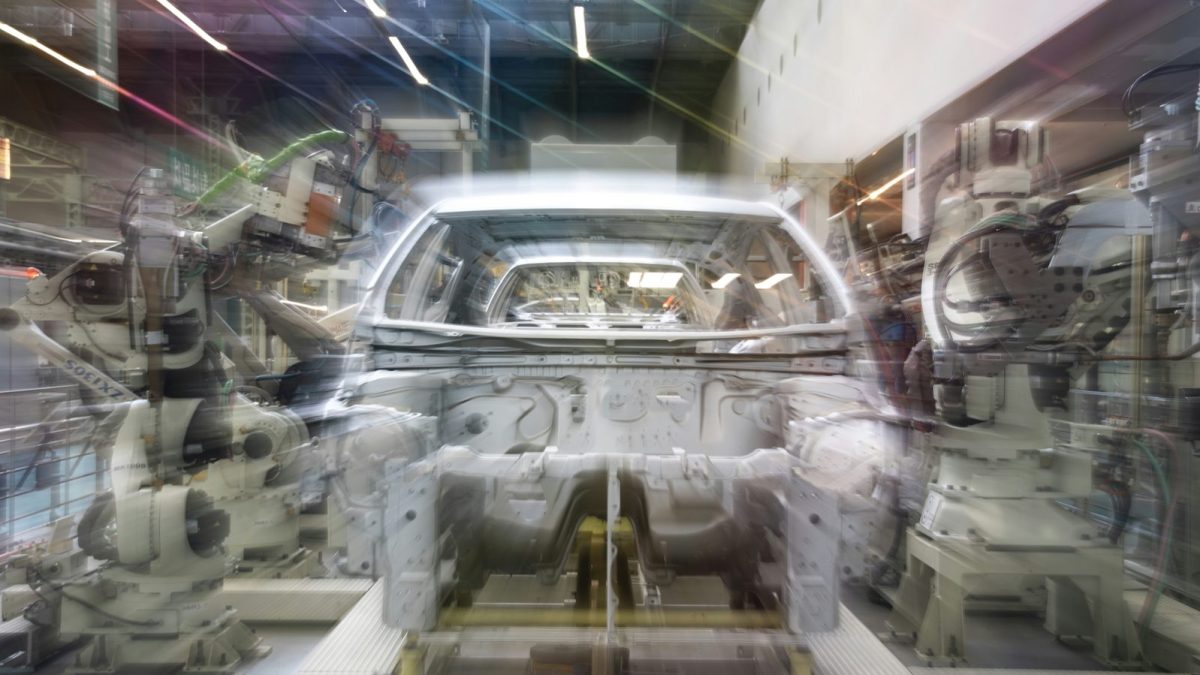
When a group that owns Fiat, Peugeot, Citroën and Jeep decides where to place its biggest regional bet in decades, business owners across Europe should pay attention to the answer. Stellantis has committed roughly US$6 billion to Brazil through 2030 — its largest investment cycle ever in South America — funding a new generation of hybrid flex-fuel vehicles, around 2,000 new jobs and deep modernization of its industrial hubs in Betim (Minas Gerais) and Porto Real (Rio de Janeiro).
This is not a market-testing exercise. It is a structural commitment by one of Europe’s largest industrial groups to make Brazil the center of its regional future.
Why Brazil Won the Investment
Brazil is Latin America’s largest automotive market, but the deeper reason is technological: Brazil is the only country on earth where a nationwide ethanol infrastructure makes hybrid flex-fuel vehicles commercially viable at scale. Stellantis is not exporting a European formula to Brazil — it is building a Brazilian formula, the bio-hybrid, that aligns with the country’s unique decarbonization path. When a multinational adapts its core technology roadmap to a market, it is planning to stay for decades.
The Cascade Effect Most Owners Miss
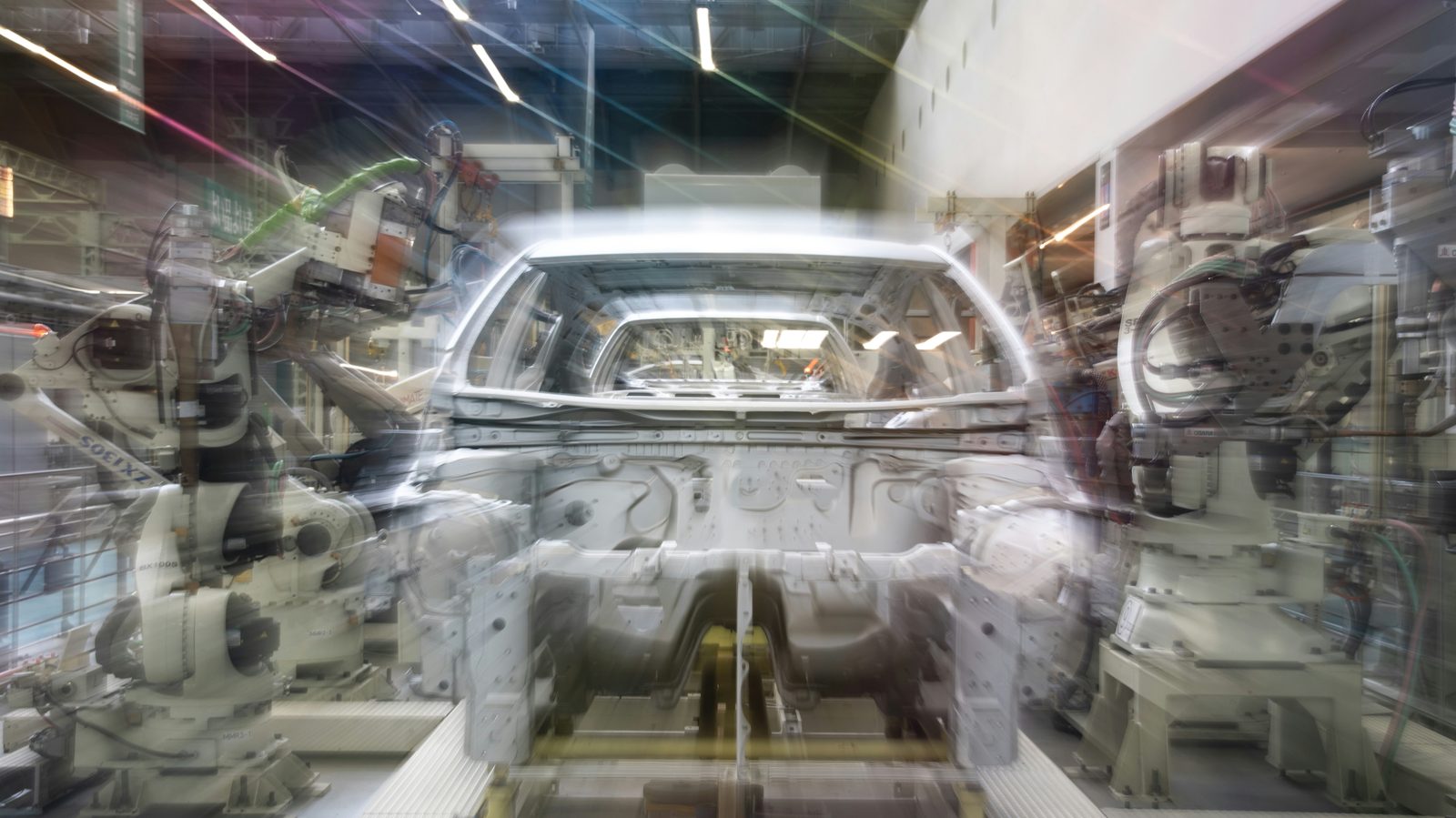
A US$6 billion automotive investment does not stay inside the automaker. It cascades through hundreds of suppliers: tooling, stamping, plastics, electronics, logistics, industrial software, testing services, training providers. Every one of those categories now has anchor demand expanding in Betim and Porto Real. For European suppliers — especially those already serving Stellantis plants in Europe — the mathematics changed twice in one year: their client is scaling up in Brazil, and the EU-Mercosur Agreement is phasing out the tariffs of up to 35% that made local presence prohibitively expensive to serve from abroad.
What Following an Anchor Client Looks Like
Supplier expansion into Brazil typically follows a proven sequence. First, map which of your product lines the anchor’s Brazilian operation buys and at what volumes. Second, decide between exporting under the new tariff schedule versus producing locally — freight, lead times and localization requirements in automotive contracts usually tip the decision toward local presence faster than owners expect. Third, incorporate the Brazilian entity — a limitada with 100% foreign ownership — obtain the CNPJ, register capital with the Central Bank and elect the right tax regime before signing the first supply contract, because retrofitting a badly chosen structure is far costlier than building it correctly.
The Signal Beneath the Headline
Large corporations employ teams of analysts to price country risk. When Stellantis concentrates US$6 billion on Brazil, it has effectively done that homework for every mid-sized company in its ecosystem. The question for European owners in automotive and adjacent industries is no longer whether the Brazilian market justifies attention — it is whether they will be positioned inside the supply chain when the new production lines reach full capacity, or watching from a catalogue while local competitors take the contracts.
Expanding Your Business to Brazil? This Is the Moment to Act

If this story shows anything, it is that the window to enter Brazil is open now — and the business owners who structure their local operations first will capture the most. But between the decision and the first invoice lies a path that punishes improvisation: choosing between a limitada and other corporate forms, registering foreign capital with the Central Bank, electing the right tax regime, setting up compliant payroll and accounting.
That is exactly what Expertisa does. Based in Brazil and founded by French, Belgian and Brazilian entrepreneurs, Expertisa specializes in opening companies in Brazil, tax consulting and other BPO (Business Process Outsourcing) services — supporting foreign owners from the first structuring decision to day-to-day operations. With offices in Rio de Janeiro and São Paulo, and as an independent member of GGI — one of the top ten international networks of accounting, consulting and legal services — Expertisa supports European companies and investors who wish to establish themselves in Brazil within the new scenario opened by the EU-Mercosur Agreement. A first conversation typically maps your entry structure, tax regime and timeline within days. More information at https://expertisa.com.br/.